Navratri 2026: Dates, Maa Durga Forms, Puja Vidhi & Complete Festival Guide
Admin ⦁ 22 September 2026 ⦁ 8 min read
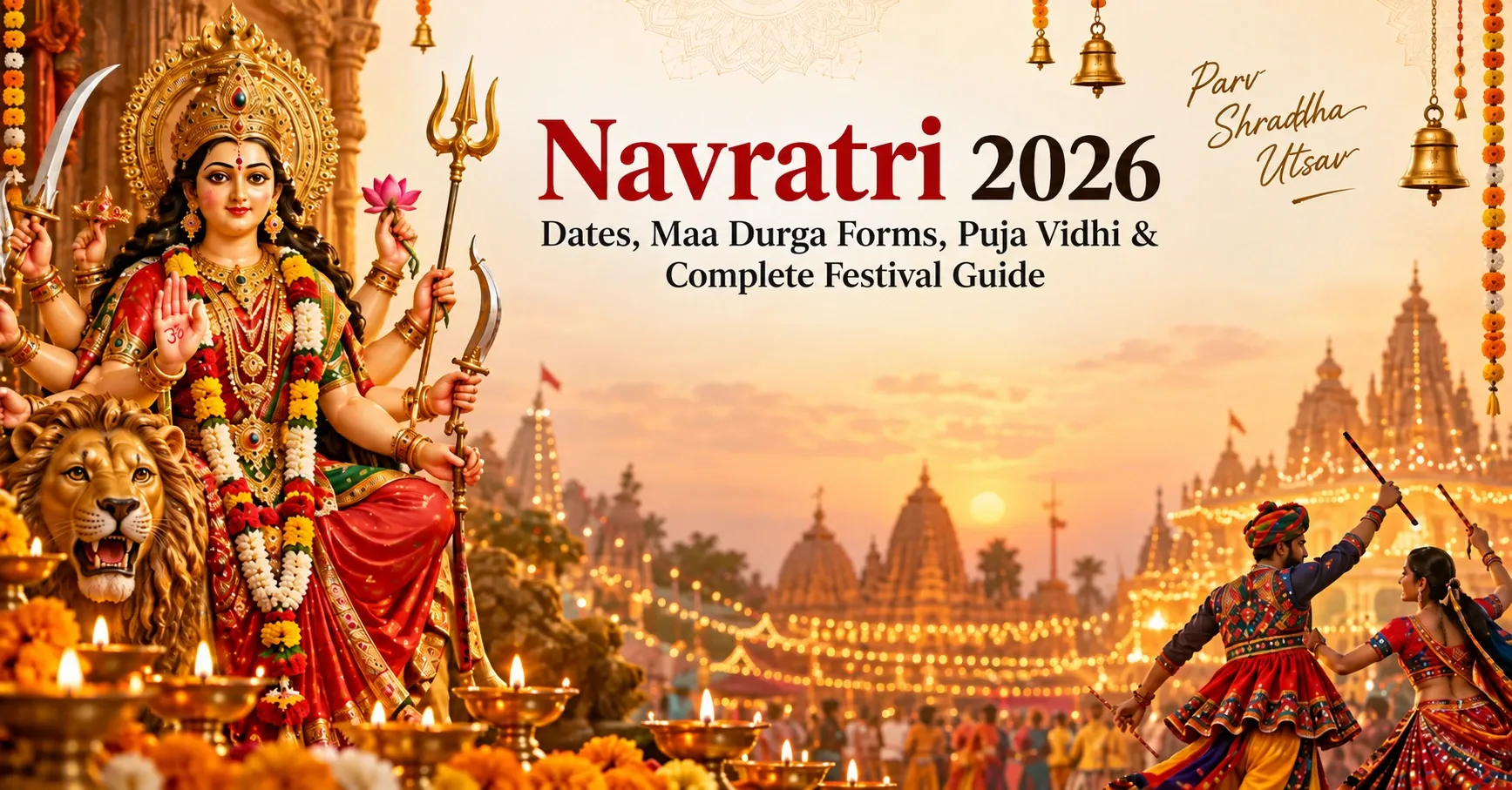
Navratri is one of India’s most widely celebrated Hindu festivals, dedicated to Maa Durga and her nine divine forms, collectively known as Navadurga. Over nine sacred nights, devotees observe fasts, perform puja, visit temples, participate in Garba and Dandiya, and seek the blessings of the Goddess.
Sharad Navratri 2026 begins on Sunday, October 11, 2026, with Ghatasthapana. Because Hindu festival dates follow lunar tithis, some rituals may fall on the same or adjoining calendar dates in different regions. This guide covers the Navratri 2026 dates, the nine forms of Maa Durga, colors, puja vidhi, fasting rules, important rituals, temples to visit, and travel tips for devotees planning to celebrate the festival.
When Is Navratri 2026?
Sharad Navratri 2026 begins on October 11, 2026. The festival starts with Ghatasthapana and the worship of Maa Shailputri.
In 2026, the lunar calendar creates an unusual sequence because Saptami spans two calendar days. Ashtami and Navami observances also fall close together. Devotees should therefore check their local Panchang for exact puja and muhurat timings.
Navratri 2026 Dates at a Glance
Date | Day | Tithi / Main Observance | Navratri Color |
| October 11, 2026 | Sunday | Pratipada, Ghatasthapana | Orange |
| October 12, 2026 | Monday | Dwitiya | White |
| October 13, 2026 | Tuesday | Tritiya | Red |
| October 14, 2026 | Wednesday | Chaturthi | Royal Blue |
| October 15, 2026 | Thursday | Panchami | Yellow |
| October 16, 2026 | Friday | Shashthi | Green |
| October 17, 2026 | Saturday | Saptami | Grey |
| October 18, 2026 | Sunday | Saptami continues | Purple |
| October 19, 2026 | Monday | Durga Ashtami and Maha Navami observances | Peacock Green |
| October 20, 2026 | Tuesday | Navami conclusion, Parana and Vijayadashami | — |
Note: Hindu tithis depend on sunrise and location, so Ashtami, Navami, Parana and Vijayadashami observances may be followed differently according to regional traditions. Always confirm important rituals using your local Panchang.
Ghatasthapana 2026
Ghatasthapana marks the beginning of Sharad Navratri and is performed on the first day to invoke Maa Durga.
In 2026, Ghatasthapana falls on Sunday, October 11. Devotees traditionally establish a kalash in the puja area and begin their Navratri prayers and fasting from this day.
The exact Ghatasthapana muhurat varies by city, so devotees should check a reliable local Panchang before performing the ritual.
The 9 Forms of Maa Durga
Each form of Navadurga represents different spiritual qualities and is worshipped during Navratri.
1. Maa Shailputri
Maa Shailputri represents strength, purity, and stability. Worship on the first day marks the beginning of the Navratri spiritual journey.
2. Maa Brahmacharini
Maa Brahmacharini represents devotion, discipline, and determination. Devotees seek her blessings for patience and spiritual strength.
3. Maa Chandraghanta
Recognized by the crescent moon shaped like a bell on her forehead, Maa Chandraghanta represents courage, peace, and protection.
4. Maa Kushmanda
Maa Kushmanda is associated with creation, energy, and vitality. Devotees worship her for health, positivity, and prosperity.
5. Maa Skandamata
Depicted with her son Lord Kartikeya, Maa Skandamata represents motherhood, compassion, and protection.
6. Maa Katyayani
Maa Katyayani represents courage and determination. Devotees pray to her for strength to overcome difficulties and negative influences.
7. Maa Kalaratri
One of the most powerful forms of Maa Durga, Maa Kalaratri represents fearlessness and protection from negativity.
8. Maa Mahagauri
Maa Mahagauri represents purity, peace, and compassion. Her worship is closely associated with Durga Ashtami.
9. Maa Siddhidatri
The final form of Navadurga, Maa Siddhidatri, is associated with spiritual knowledge, fulfillment, and divine blessings. She is worshipped during Navami.
Navratri Puja Vidhi at Home
Navratri puja traditions vary between families and regions, but a simple home puja generally includes:
- Clean the puja area and take a bath before beginning.
- Place a clean chowki or platform in the puja space.
- Install an image or idol of Maa Durga.
- Perform Ghatasthapana on the first day according to the appropriate muhurat.
- Light a diya and offer flowers, kumkum, fruits, and other offerings.
- Recite Durga mantras, prayers or Durga Saptashati according to your tradition.
- Offer bhog or prasad to Maa Durga.
- Perform aarti and seek the Goddess's blessings.
- Continue daily prayers throughout Navratri.
The method does not have to be elaborate. Devotion, cleanliness and following your family tradition are more important than performing an unnecessarily complicated ritual.
Navratri Puja Samagri
Common items used for Navratri puja include:
- Maa Durga idol or picture
- Kalash
- Coconut
- Mango leaves
- Roli and kumkum
- Akshat or rice
- Flowers
- Diya with ghee or oil
- Incense sticks
- Fruits and prasad
- Red cloth
- Sacred thread
- Betel leaves and nuts
The exact samagri may differ depending on the puja performed and your family customs.
Navratri Fasting Rules
Some devotees fast throughout Navratri, while others fast only on selected days such as Ashtami or Navami.
Common fasting practices include avoiding regular grains, meat, eggs and ordinary table salt. Many devotees follow a sattvik diet and eat foods prepared specifically for vrat.
What Can You Eat During Navratri Fast?
Common fasting foods include:
- Fruits
- Milk and dairy products
- Nuts and dry fruits
- Sabudana
- Kuttu or buckwheat flour
- Singhara flour
- Samak rice
- Potatoes and selected vegetables
- Sendha namak
Foods Commonly Avoided During Navratri
Depending on family traditions, devotees may avoid:
- Wheat and regular rice
- Regular table salt
- Onion and garlic
- Meat and eggs
- Alcohol
- Heavily processed or non-sattvik foods
Fasting customs differ between communities. People with medical conditions, dietary restrictions, pregnancy or other health considerations should follow suitable professional advice rather than undertaking a strict fast.
Durga Ashtami, Maha Navami and Kanya Pujan 2026
Ashtami and Navami are among the most important periods of Navratri. In 2026, Durga Ashtami falls around October 19, with Maha Navami observances following according to the applicable tithi. Because the tithis overlap across calendar dates, local Panchang timings should be followed.
Kanya Pujan
Many families perform Kanya Pujan or Kanjak on Ashtami or Navami. Young girls, traditionally regarded as forms of the Goddess, are invited, worshipped and served a meal. Common offerings include puri, halwa and kala chana, although traditions differ by region. Some devotees also perform a havan on Navami before concluding their Navratri fast.
Navratri Do's and Don'ts
Simple practices can help devotees observe Navratri respectfully.
Do:
- Keep the home and puja area clean.
- Follow a sattvik lifestyle where possible.
- Perform daily prayers according to your tradition.
- Respect regional and family customs.
- Stay hydrated and eat appropriately when fasting.
- Plan temple visits early during busy festival days.
Avoid:
- Forcing yourself to fast if it may affect your health.
- Wasting food or puja offerings.
- Treating regional traditions as incorrect simply because they differ from your own.
- Depending on a generic online muhurat when an important ritual requires location-specific timing.
Famous Temples to Visit During Navratri in India
Navratri is an important pilgrimage period, and many Shakti and Devi temples organise special prayers, aartis and celebrations.
Some popular temples include:
Temple | Location | Why Visit During Navratri |
| Vaishno Devi Temple | Jammu & Kashmir | One of India's most important Devi pilgrimage destinations |
| Chamunda Devi Temple | Himachal Pradesh | Dedicated to a powerful form of Maa Durga |
| Jwala Ji Temple | Himachal Pradesh | Famous Shakti Peetha associated with sacred flames |
| Naina Devi Temple | Himachal Pradesh | Major Shakti pilgrimage destination |
| Mansa Devi Temple | Haridwar, Uttarakhand | Popular Devi temple visited by pilgrims in Haridwar |
| Kamakhya Temple | Assam | One of India's prominent Shakti Peethas |
| Ambaji Temple | Gujarat | Major pilgrimage destination dedicated to Goddess Amba |
| Vindhyachal Dham | Uttar Pradesh | Important Shakti pilgrimage destination dedicated to Maa Vindhyavasini |
Navratri can bring heavy pilgrim traffic to these destinations. Temple timings, special darshan arrangements, and entry procedures may also change during festival days.
Visiting a Devi temple during Navratri? Find stays near pilgrimage destinations with Bookingdham and plan your accommodation before the festive rush begins.
Navratri Travel Guide: How to Plan Your Pilgrimage
A little preparation can make a Navratri pilgrimage much easier, particularly when travelling with children, senior citizens or larger family groups.
Book Your Stay Early
Accommodation near popular temples may fill quickly during Navratri. Staying close to the temple can also make early-morning darshan or evening aarti more convenient.
You can use Bookingdham to explore pilgrimage accommodation based on your destination and travel requirements.
Check Official Temple Timings
Special pujas and festival arrangements may affect normal darshan timings. Check the latest temple information before starting your journey.
Expect Larger Crowds
Ashtami, Navami and other important festival days may attract significantly more devotees. Allow extra time for queues, transport and security checks.
Carry Essential Items
Keep identification documents, medicines, comfortable clothing, water and other travel essentials with you. If you are fasting, carry permitted food or confirm that suitable options will be available at your destination.
How Is Navratri Celebrated Across India?
Navratri traditions vary greatly across the country.
In Gujarat, Garba and Dandiya are central to the celebrations, with communities gathering every evening for dance and worship.
In West Bengal, the festival period is celebrated through Durga Puja, with elaborate pandals, cultural programmes and community worship.
Across North India, fasting, Ram Leela, Kanya Pujan and temple visits are common traditions.
In parts of South India, families celebrate traditions such as Golu or Bommai Kolu by arranging decorated displays of dolls and religious figures.
The customs may differ, but devotion to the Divine Feminine remains at the heart of the festival.
Plan Your Navratri 2026 Pilgrimage with Bookingdham
Navratri is a time for devotion, family traditions and spiritual journeys. Whether you are planning darshan at a famous Devi temple or travelling to a pilgrimage destination with your family, organising your stay in advance can make the journey more comfortable.
During busy festival days, accommodation close to temples can be especially helpful for early-morning darshan, evening aarti and senior travellers.
Planning your Navratri 2026 pilgrimage? Explore Bookingdham to find hotels, dharamshalas, guest houses and other suitable stays near religious destinations across India. Plan early, stay closer to your temple destination and focus more on your spiritual journey.
FAQs About Navratri 2026
1. When does Navratri 2026 start?
Sharad Navratri 2026 begins on Sunday, October 11, 2026, with Ghatasthapana and Maa Shailputri Puja.
2. When does Navratri 2026 end?
The concluding Navami, Parana and Vijayadashami observances fall around October 20, 2026, depending on the applicable tithi and regional tradition.
3. Why does the Navratri 2026 calendar appear longer than nine calendar days?
Hindu festivals follow lunar tithis rather than fixed 24-hour calendar days. In 2026, Saptami spans two sunrises, which affects how the Navratri dates appear on the Gregorian calendar.
4. What are the nine forms of Maa Durga?
The Navadurga are Shailputri, Brahmacharini, Chandraghanta, Kushmanda, Skandamata, Katyayani, Kalaratri, Mahagauri and Siddhidatri.
5. What are the Navratri colours for 2026?
The nine colours are Orange, White, Red, Royal Blue, Yellow, Green, Grey, Purple and Peacock Green.
6. What can I eat during Navratri fasting?
Common vrat foods include fruits, milk, nuts, sabudana, kuttu, singhara flour, samak rice, potatoes and food prepared with sendha namak. Rules may differ according to family and regional traditions.
7. When is Durga Ashtami in 2026?
Durga Ashtami observances fall around October 19, 2026. Because Ashtami and Navami tithis occur close together this year, devotees should confirm the appropriate puja timings through their local Panchang.
8. Is Kanya Pujan performed on Ashtami or Navami?
Both practices are followed. Some families perform Kanya Pujan on Ashtami, while others do it on Navami. The appropriate day generally depends on family and regional tradition.
Nearby Accommodation
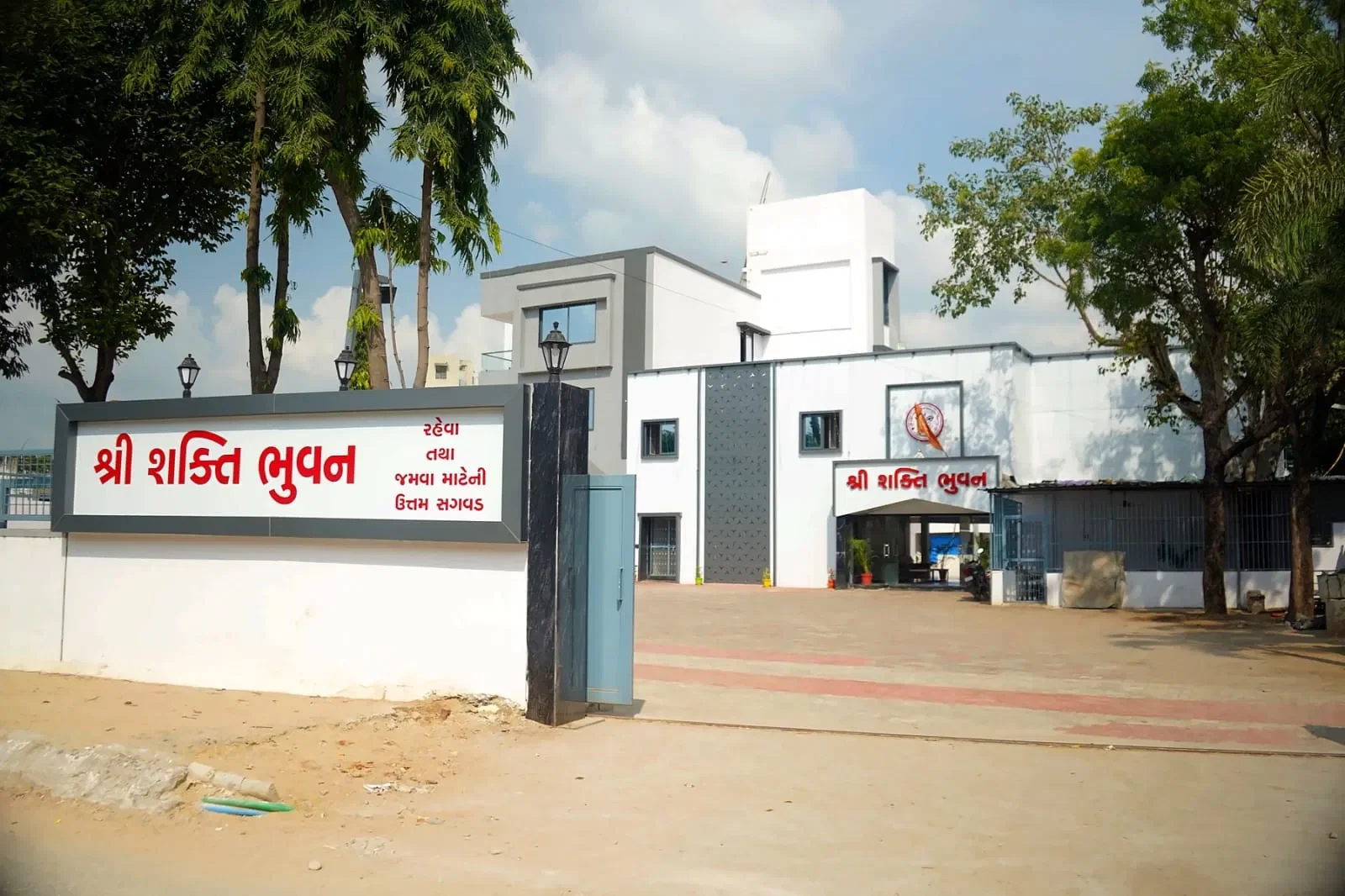
Shakti Bhuvan (Ambaji)
Distance: Just 700m from Ambaji Temple
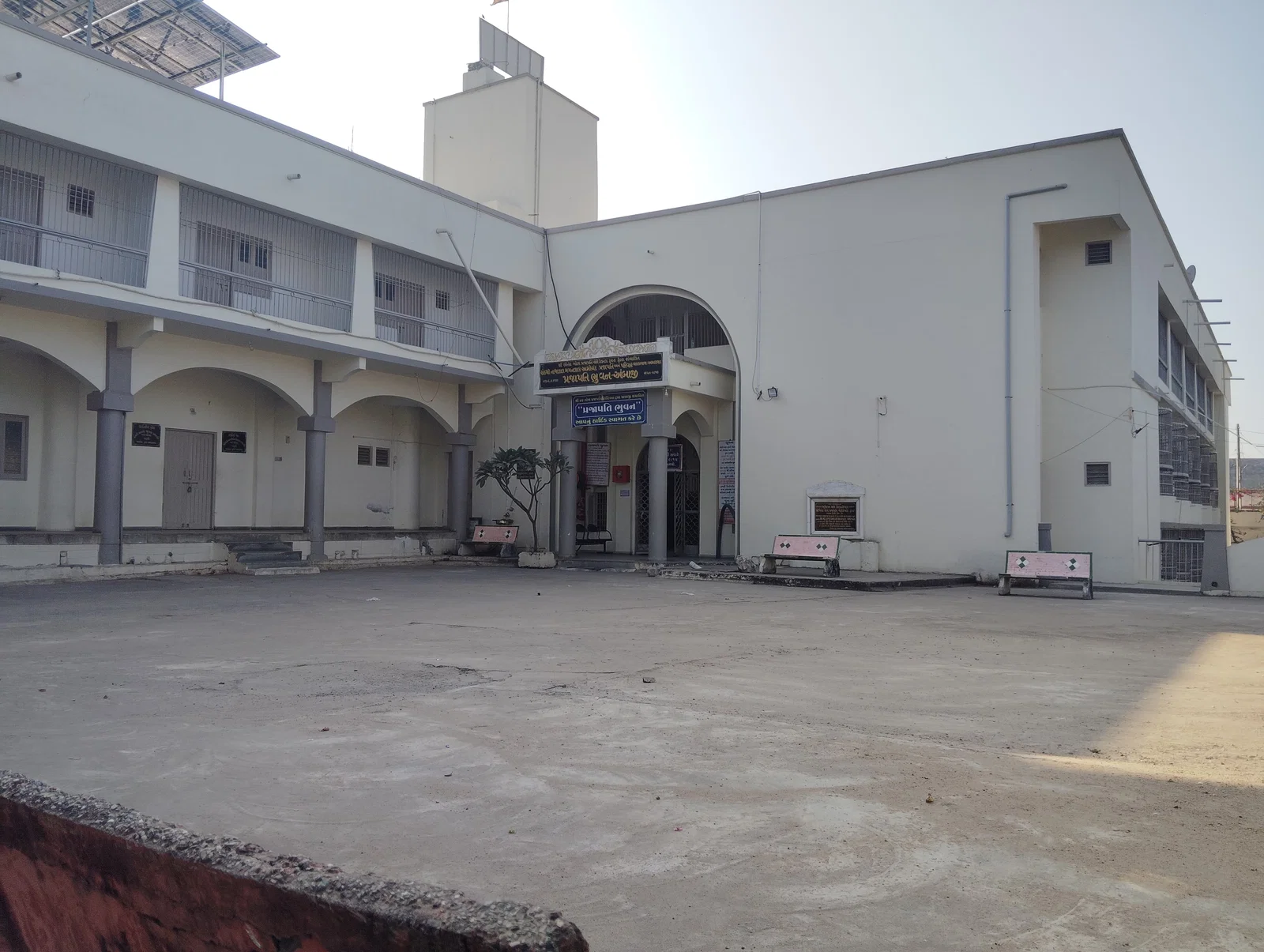
Prajapati Bhuvan Ambaji (Ambaji)
Distance: 500 meters from Shri Ambaji Temple.
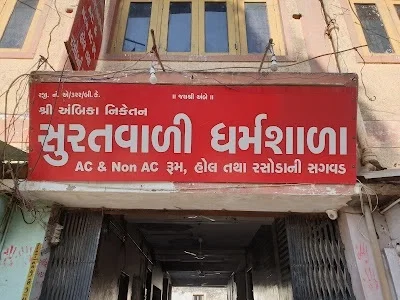
Ambika Niketan (Ambaji)
Distance: ~ 200 meters from Ambaji Temple

New Modi Bhavan (Ambaji)
Distance: 800m from Shri Ambaji Temple