Nashik Kumbh Mela 2027: Dates, Shahi Snan Schedule & Complete Guide
Admin ⦁ 19 November 2026 ⦁ 06:00 min read

The Nashik Kumbh Mela 2027 has officially begun with the flag-hoisting ceremony held on 31 October 2026. However, the main religious gatherings, Shahi Snan ceremonies, and major pilgrimage events will take place between June and September 2027. This sacred Hindu festival brings devotees, saints, and pilgrims to Nashik and Trimbakeshwar in Maharashtra.
Held once every 12 years, the festival is known for holy bathing rituals in the Godavari River, religious processions, and temple visits. If you are planning to attend, knowing the important dates and travel arrangements can help you prepare. This guide covers the Shahi Snan schedule, bathing locations, accommodation options, and essential travel tips.
What Is Nashik Kumbh Mela 2027?
The Nashik Kumbh Mela, also known as Simhastha Kumbh Mela 2027, is one of India's major Hindu religious gatherings. It is traditionally associated with Jupiter's position in Simha Rashi (Leo) and takes place approximately every 12 years.
Nashik is one of the four traditional Kumbh Mela destinations, along with Prayagraj, Haridwar, and Ujjain. According to Hindu beliefs, bathing in sacred river waters during the festival holds spiritual significance.
The Nashik Kumbh Mela is special because its religious ceremonies are held at two important locations: Nashik and Trimbakeshwar. Devotees gather to take holy baths, offer prayers, visit temples, and participate in spiritual activities.
Nashik Kumbh Mela 2027 Dates: Official Schedule and Upcoming Events
The Nashik Kumbh Mela 2027 dates include several important religious ceremonies. The festival officially commenced on 31 October 2026, while the main Mela period will take place from 15 June to 30 September 2027.
Here is the official schedule of important events:
Event | Date |
| Kumbh Mela Flag Hoisting Ceremony | 31 October 2026 |
| Main Kumbh Mela Period Begins | 15 June 2027 |
| Nagar Pradakshina | 29 July 2027 |
| First Shahi Snan (Amrut Snan) | 2 August 2027 |
| Second Shahi Snan (Amrut Snan) | 31 August 2027 |
| Third Shahi Snan in Nashik | 11 September 2027 |
| Third Shahi Snan in Trimbakeshwar | 12 September 2027 |
| Main Kumbh Mela Period Ends | 30 September 2027 |
| Simhastha Closing Ceremony | 24 July 2028 |
Although the ceremonial beginning has already taken place, the main bathing events are still upcoming. Pilgrims planning to attend should arrange their travel and accommodation early, especially around the important bathing dates.
Note: Dates are based on the official Maharashtra Kumbh Mela schedule. Procession timings and local arrangements may change.
Nashik Kumbh Mela 2027 Shahi Snan Dates and Their Significance
Shahi Snan, officially referred to as Amrut Snan, is one of the most important religious rituals during Kumbh Mela. On these special days, saints and members of different Akharas participate in traditional processions and sacred bathing ceremonies.
The announced Nashik Kumbh Mela 2027 Shahi Snan dates are:
Shahi Snan | Date | Main Location |
| First Shahi Snan | 2 August 2027 | Nashik |
| Second Shahi Snan | 31 August 2027 | Nashik |
| Third Shahi Snan | 11 September 2027 | Ramtirth, Nashik |
| Third Shahi Snan at Trimbakeshwar | 12 September 2027 | Kushavarta Tirth |
Why Is Shahi Snan Important?
According to Hindu traditions, taking a holy dip during the auspicious bathing dates is believed to bring spiritual purification and blessings. These bathing ceremonies are also important for the Akharas, whose saints participate in religious processions.
Devotees visit the sacred ghats to witness these traditions, offer prayers, and experience the spiritual atmosphere of Kumbh Mela.
Where Will Nashik Kumbh Mela 2027 Take Place?
The festival's main religious activities are organized in Nashik and Trimbakeshwar. Both destinations have important bathing sites and temples.
1. Ramkund and Ramtirth, Nashik
Ramkund is a sacred bathing ghat situated along the Godavari River in the Panchavati area of Nashik. According to Hindu tradition, the location is associated with Lord Rama.
During Kumbh Mela, the surrounding ghats become important centres for bathing rituals, prayers, and religious gatherings.
2. Kushavarta Tirth, Trimbakeshwar
The Trimbakeshwar Kumbh Mela 2027 will include important religious ceremonies at Kushavarta Tirth, located near Trimbakeshwar Jyotirlinga Temple.
Trimbakeshwar is approximately 28 kilometres from Nashik. The sacred bathing site holds particular importance for Shaiva Akharas and devotees of Lord Shiva.
Visitors should follow official instructions about bathing areas, entry routes, and public access during major events.
Nashik Kumbh Mela 2027 Travel Guide: How to Reach Nashik
Nashik is connected to major Indian cities by rail, road, and air. Travellers can choose their transport based on their starting location and budget.
By Train
Nashik Road Railway Station is the main railway station serving Nashik. It connects the city with Mumbai and several other destinations.
From the station, visitors can travel towards Panchavati, Ramkund, or their accommodation using available local transport.
By Air
Nashik Airport, located at Ozar, serves the city. Travellers can check available flight connections or consider Mumbai and Pune airports.
From these airports, Nashik can be reached by road.
By Road
Nashik has road connections with Mumbai, Pune, Shirdi, and other parts of Maharashtra. Visitors can travel by bus, taxi, or private vehicle.
During major bathing dates, traffic diversions and parking restrictions may apply. Check official transport updates before leaving.
Where to Stay During Nashik Kumbh Mela 2027?
Finding suitable accommodation is an important part of planning your pilgrimage. Nashik and Trimbakeshwar offer hotels, guesthouses, and dharamshalas for different travel needs.
Consider these areas when choosing your stay:
- Panchavati: Convenient for visiting Ramkund and Kalaram Temple.
- Central Nashik: Suitable for travellers looking for hotels and local transport connections.
- Trimbakeshwar: Useful for pilgrims planning temple darshan and religious activities near Kushavarta Tirth.
- Nashik Road: Convenient for visitors arriving by train.
Accommodation demand is likely to increase around major Shahi Snan dates. Check the property's location, facilities, cancellation terms, and travel distance before booking.
Planning your Kumbh Mela pilgrimage? Explore available hotels and dharamshalas in Nashik through Bookingdham and choose accommodation that suits your travel dates and budget.
Important Temples and Places to Visit During Nashik Kumbh Mela
Apart from attending religious ceremonies, visitors can explore several sacred places in and around Nashik.
Trimbakeshwar Jyotirlinga Temple
Dedicated to Lord Shiva, Trimbakeshwar Temple is one of the twelve Jyotirlingas. Pilgrims visit the temple for darshan, prayers, and religious rituals.
Kalaram Temple
Located in Panchavati, Kalaram Temple is dedicated to Lord Rama. It is known for its stone architecture and religious importance.
Sita Gufa
Sita Gufa is a small cave in Panchavati associated with the Ramayana. Devotees often visit it along with other nearby religious sites.
Ramkund
Ramkund is among the most important pilgrimage locations in Nashik. Devotees visit throughout the year to offer prayers and participate in sacred bathing rituals.
Essential Tips for Visiting Nashik Kumbh Mela 2027
The main bathing dates are expected to attract large crowds. Proper planning can make your journey more comfortable and organised.
- Book early: Reserve your accommodation and transport well before your travel dates.
- Carry identification: Keep a government-issued ID and important booking details with you.
- Prepare for rain: The main bathing events fall during the monsoon season, so carry suitable footwear and rain protection.
- Follow official routes: Use designated entry points, bathing areas, and transport facilities.
- Keep essentials ready: Carry water, prescribed medicines, and necessary personal items.
- Stay with your group: Families should decide on a meeting point in case members get separated.
- Check updates: Follow announcements regarding bathing timings, crowd management, and traffic restrictions.
Visitors travelling with senior citizens or young children should allow additional time for walking, queues, and temple visits.
Suggested 3-Day Nashik Kumbh Mela 2027 Itinerary
A three-day pilgrimage can help you cover important locations without rushing.
Day 1: Arrival and Nashik Temple Visits
Arrive in Nashik and check into your accommodation. Visit Kalaram Temple, Sita Gufa, and other religious sites around Panchavati.
Day 2: Holy Bath and Religious Activities
Visit the designated bathing area according to official arrangements. Spend time attending prayers and exploring nearby religious locations. If visiting during Shahi Snan, follow the announced timings and access restrictions.
Day 3: Trimbakeshwar Temple Darshan
Travel to Trimbakeshwar for Jyotirlinga Temple darshan and visit Kushavarta Tirth. After completing your temple visits, return to Nashik for your onward journey.
This itinerary can be adjusted depending on crowd conditions, temple timings, and your chosen bathing date.
Conclusion
The Nashik Kumbh Mela 2027 is an important spiritual gathering that brings together devotees, saints, and pilgrims from across India. Although the festival officially began in October 2026, its main religious events and Shahi Snan ceremonies are scheduled for August and September 2027.
Whether you plan to take a holy dip in the Godavari River, visit Trimbakeshwar Jyotirlinga, or attend religious ceremonies, understanding the official schedule will help you organise your journey.
Make your pilgrimage planning easier with Bookingdham. Explore accommodation options in Nashik, compare available stays, and arrange your visit ahead of the main Kumbh Mela celebrations.
Frequently Asked Questions About Nashik Kumbh Mela 2027
1. When did Nashik Kumbh Mela 2027 start?
Nashik Kumbh Mela officially started on 31 October 2026 with the Dhwajarohan, or flag-hoisting ceremony. However, the main pilgrimage period will run from 15 June to 30 September 2027, when important religious activities and bathing ceremonies will take place.
2. What are the main Shahi Snan dates for Nashik Kumbh Mela 2027?
The main Shahi Snan dates are 2 August, 31 August, and 11 September 2027 in Nashik. The third Amrut Snan at Kushavarta Tirth in Trimbakeshwar is scheduled for 12 September 2027. Visitors should confirm official timings before travelling.
3. Where will the Nashik Kumbh Mela 2027 take place?
The festival will take place in Nashik and Trimbakeshwar, Maharashtra. The main sacred bathing locations include Ramtirth near Ramkund in Nashik and Kushavarta Tirth in Trimbakeshwar. Both destinations are important centres for religious ceremonies and temple visits.
4. How far is Trimbakeshwar from Nashik?
Trimbakeshwar is approximately 28 kilometres from Nashik by road. Visitors can generally travel between the two destinations by taxi or bus. However, travel times may increase significantly during important Kumbh Mela dates because of crowds and traffic restrictions.
5. How many days are enough to visit Nashik Kumbh Mela 2027?
A two- to three-day trip is generally suitable for visiting important temples and participating in religious activities. Visitors planning to attend a major Shahi Snan should consider additional time for queues, transport changes, and crowd-related delays.
6. Where can I stay during Nashik Kumbh Mela 2027?
Pilgrims can consider hotels, dharamshalas, and guesthouses in Panchavati, central Nashik, Nashik Road, and Trimbakeshwar. You can explore available accommodation through Bookingdham and compare options based on location, facilities, budget, and your planned pilgrimage dates.
7. Is advance booking necessary for Nashik Kumbh Mela 2027?
Advance booking is strongly recommended, especially for visitors travelling during the Shahi Snan dates. Accommodation availability may become limited due to high demand. Reserving your room and transport early can help you plan your pilgrimage and avoid last-minute difficulties.
Nearby Accommodation
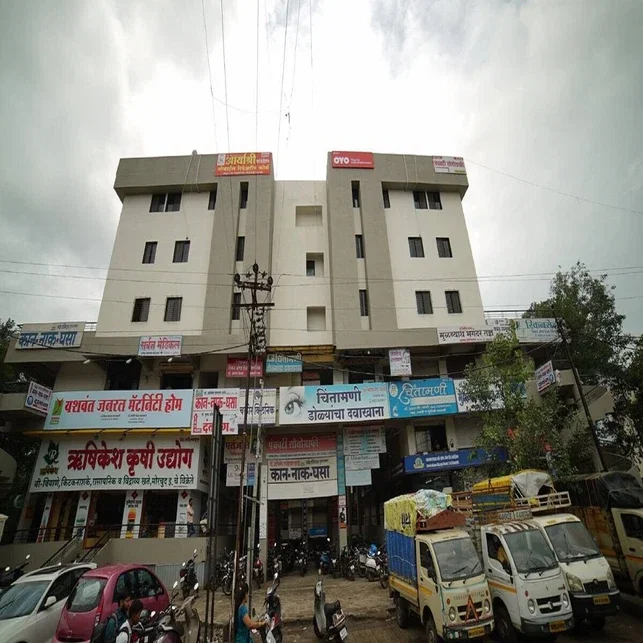
Hotel Bhakti Sankul (Nashik)
Distance: Distance from Kalaram Temple 1.1 Km