Diwali in Ayodhya 2026: Deepotsav, Ram Mandir Darshan & Stay Guide
Admin ⦁ 23 October 2026 ⦁ 07:30 min read

Diwali in Ayodhya 2026 is expected to be a beautiful celebration of faith, lights, and traditions. Every year, thousands of devotees and tourists visit this holy city to celebrate the festival associated with Lord Ram's return to Ayodhya after 14 years of exile. During Deepotsav, the banks of the Saryu River shine with countless diyas, temples are decorated, and the streets become full of festive energy.
If you are planning to visit Ayodhya during Diwali, preparing your trip early can make your experience more comfortable. This guide covers the Ayodhya Deepotsav 2026 dates, major celebrations, Ram Mandir darshan, nearby attractions, accommodation options, and useful travel tips.
Why Is Diwali Celebrated So Grandly in Ayodhya?
Ayodhya holds a special place in Hindu culture because it is believed to be the birthplace of Lord Shri Ram. According to the Ramayana, the people of Ayodhya welcomed Lord Ram, Mata Sita, and Lakshman by lighting rows of diyas when they returned after 14 years of exile.
This tradition is closely connected with the celebration of Diwali, which represents the victory of light over darkness and good over evil.
Today, the Ayodhya Diwali celebration 2026 continues this tradition through grand Deepotsav events, religious ceremonies, cultural performances, and beautiful lighting decorations.
For devotees, celebrating Diwali in Ayodhya is also an opportunity to visit sacred temples, offer prayers, and experience the city's spiritual atmosphere.
Ayodhya Deepotsav 2026 Date and Festival Schedule
If you are planning your trip, knowing the Ayodhya Deepotsav 2026 date is important for arranging travel and accommodation.
The main Diwali festival falls on Sunday, November 8, 2026, while the major Deepotsav celebrations are being planned around November 6 and 7.
Here are the important dates:
Date | Festival or Celebration |
| November 6, 2026 | Dhanteras and beginning of major festivities |
| November 7, 2026 | Chhoti Diwali and planned main Deepotsav celebrations |
| November 8, 2026 | Diwali and Lakshmi Puja |
| November 9, 2026 | Govardhan Puja |
The final Deepotsav programme, including diya lighting, cultural events, and public entry arrangements, may change based on official announcements.
Visitors should check the latest information from Uttar Pradesh Tourism and the local administration before travelling.
What to Expect During Ayodhya Deepotsav 2026
Ayodhya Deepotsav is known for its impressive decorations, traditional ceremonies, and large-scale lighting arrangements. Several locations across the city become major attractions during the celebrations.
Thousands of Diyas at Ram Ki Paidi
Ram Ki Paidi is one of the main attractions during Deepotsav. Located along the Saryu River, this series of ghats is decorated with large numbers of earthen lamps. As evening approaches and the diyas are lit, the entire riverfront becomes a beautiful sight. The reflection of glowing lamps in the water creates a memorable experience for visitors.
The 2026 celebrations are expected to feature millions of diyas, with preparations aimed at another record-setting display.
Saryu Aarti and Religious Ceremonies
The Saryu River holds great religious importance in Ayodhya. During Diwali, devotees gather near the ghats to participate in prayers and witness the evening aarti. The sounds of devotional songs, temple bells, and religious chants create a peaceful atmosphere alongside the grand celebrations.
Visitors should follow the local administration's directions because some areas may have restricted access during the main event.
Cultural Performances and Festive Decorations
Deepotsav also celebrates the story of Lord Ram through cultural performances and traditional activities. Visitors may enjoy Ramayana-themed processions, Ram Leela performances, devotional music, and special lighting displays. Drone and laser shows are also among the attractions being planned for 2026.
The streets, temples, and public spaces are decorated, making the entire city part of the celebration.
Ram Mandir Darshan Timings During Diwali 2026
Planning Ram Mandir darshan during Diwali 2026 requires checking the temple's opening hours in advance. Ram Mandir does not remain open continuously throughout the day, as there is a scheduled break for temple rituals. During Diwali and Deepotsav celebrations, special pujas, security arrangements, and heavy crowds may also affect regular darshan timings.
Ram Mandir Darshan Timings
According to the latest published regular schedule, the temple generally follows these darshan timings:
Darshan Session | Usual Timings |
| Morning Darshan | 7:00 AM – 12:00 PM |
| Midday Break | 12:00 PM – 1:00 PM |
| Afternoon & Evening Darshan | 1:00 PM – 9:00 PM |
Note: These are regular darshan timings, not confirmed special timings for Diwali on November 8, 2026. The temple may change its schedule for festival rituals or crowd management. Extended opening hours should not be assumed without an official announcement.
Ram Mandir Aarti Timings
The published regular aarti schedule includes Mangal Aarti at 4:00 AM, Shringar Aarti at 6:00 AM, and Shayan Aarti at 10:00 PM. Devotees wishing to attend an aarti must obtain a separate free pass, subject to availability and the temple's current rules.
Tips for Ram Mandir Darshan During Diwali
- Plan morning darshan: Consider visiting during the first available morning session, although queues may still be long.
- Avoid the midday break: Plan your visit around the scheduled closure and use the time to rest or explore nearby attractions.
- Plan November 7 carefully: The expected main Deepotsav celebrations may attract large crowds near Ram Ki Paidi. Consider completing darshan earlier in the day.
- Allow extra time: Security checks, crowd management, and festival traffic may increase waiting times.
- Check official updates: Confirm the latest darshan timings, entry restrictions, and pass availability before visiting.
For accurate information, visit the official Shri Ram Janmbhoomi Teerth Kshetra website.
Travel Tip: If Ram Mandir darshan is your main priority, consider completing it before the busiest Deepotsav celebrations rather than depending on an evening visit during the festival.
Other Places to Visit in Ayodhya During Diwali
Apart from Ram Mandir, several religious places are worth including in your Ayodhya Diwali travel guide.
Hanuman Garhi Temple
Hanuman Garhi is one of the most visited temples in Ayodhya. Dedicated to Lord Hanuman, it is an important stop for devotees visiting the city. The temple becomes especially lively during religious festivals.
Kanak Bhawan
Kanak Bhawan is a beautiful temple associated with Lord Ram and Mata Sita. Known for its religious significance and architecture, it offers visitors another peaceful place for prayers.
Saryu River Ghats
A visit to the Saryu River is an important part of the Ayodhya experience. Visitors can explore the ghats, enjoy the riverfront surroundings, and witness religious ceremonies where permitted.
If your schedule allows, you can also visit Nageshwarnath Temple and Dashrath Mahal.
Where to Stay in Ayodhya During Diwali 2026
Finding suitable accommodation is one of the most important parts of planning a festival trip.
Hotels in Ayodhya during Diwali can experience high demand because many devotees travel to the city for Deepotsav and Ram Mandir darshan.
If you are looking for comfortable and affordable accommodation, Bookingdham offers several stay options in Ayodhya. Here are some properties you can consider for your trip.
1. Shri Ram Janki Sewa Trust
Shri Ram Janki Sewa Trust is an accommodation option located approximately 1.7 km from Shri Ram Janmabhoomi Temple. It offers four-bed and six-bed room options, making it worth considering for families and groups travelling together.
2. Shri Siddhi Vinayak Guest House
Shri Siddhi Vinayak Guest House is located opposite Ramghat Halt in Ayodhya. The property offers double-bed AC and non-AC rooms, providing accommodation choices for visitors with different budgets and comfort preferences.
3. Vatsalya Bhawan
Vatsalya Bhawan is located approximately 500 metres from Shri Ram Temple, making it a convenient option for visitors planning temple darshan. It offers AC and non-AC rooms, along with facilities such as Wi-Fi, a restaurant, a lift, and room service.
4. Diamond Guest House
Diamond Guest House is located in the Raiganj area, approximately 2.1 km from Shri Ram Janmabhoomi Temple. It offers double-bed and four-bed room options, along with facilities such as Wi-Fi, parking, and room service.
Planning your Diwali stay in Ayodhya?
Explore hotels, guest houses, and dharamshalas in Ayodhya on Bookingdham and choose accommodation that matches your travel needs.
Room prices and availability for Diwali 2026 should be checked for your selected dates before confirming a reservation.
How to Reach Ayodhya for Diwali 2026
Ayodhya is connected to major Indian cities by air, train, and road.
By Air
Maharishi Valmiki International Airport serves Ayodhya. Visitors can check available flights and arrange onward transportation to their accommodation.
By Train
Ayodhya Dham Junction and Ayodhya Cantt are the main railway stations serving the city. Train services connect Ayodhya with several major destinations.
By Road
Ayodhya is accessible by road from cities such as Lucknow, Varanasi, Prayagraj, and Gorakhpur. Government buses, private buses, taxis, and personal vehicles are common travel options.
During Deepotsav, traffic diversions and parking restrictions may be introduced. Check local travel advisories before reaching the city.
Suggested 3-Day Ayodhya Diwali Itinerary
A three-day visit can help you enjoy the festival without rushing through every attraction.
Day 1: November 6
Arrive in Ayodhya, check into your accommodation, and explore nearby markets and temples. You can visit Hanuman Garhi and Kanak Bhawan if time permits.
Day 2: November 7
Plan your day around the expected main Deepotsav celebrations. Visit permitted public viewing areas, enjoy the festive atmosphere, and follow the confirmed event schedule.
Day 3: November 8
Visit Ram Mandir according to the available darshan arrangements. Spend time exploring the city before beginning your return journey.
This itinerary can be adjusted based on festival announcements, crowd conditions, and your travel schedule.
Useful Tips for Visiting Ayodhya During Deepotsav
A few simple preparations can help make your journey more comfortable.
- Book accommodation and transportation as early as possible.
- Wear comfortable footwear because walking may be necessary.
- Carry drinking water, essential medicines, and light luggage.
- Keep your hotel address and important contact numbers handy.
- Follow police instructions and avoid overcrowded or restricted areas.
- Confirm temple timings and event information before leaving your hotel.
Most importantly, allow extra travel time. Festival crowds can affect local transportation and movement between attractions.
Book Your Stay in Ayodhya for Diwali 2026 With Bookingdham
Diwali in Ayodhya 2026 offers an opportunity to experience one of India's most meaningful religious celebrations. From the glowing diyas at Ram Ki Paidi to the spiritual experience of Ram Mandir darshan, the city has much to offer during the festival.
Planning your travel and accommodation early can help you enjoy the celebration with fewer last-minute difficulties.
Looking for a comfortable and affordable stay near Ayodhya's temples? Visit Bookingdham to explore accommodation options and plan your pilgrimage with greater convenience.
FAQs About Diwali in Ayodhya 2026
1. When is Ayodhya Deepotsav 2026?
Ayodhya Deepotsav celebrations are scheduled around November 6 and 7, 2026, while Diwali falls on November 8. The main Deepotsav programme is being planned for November 7. Visitors should confirm the final event timings and access arrangements through official announcements.
2. Can I visit Ram Mandir during Diwali 2026?
Yes, devotees can plan to visit Ram Mandir during Diwali, subject to the temple's official darshan schedule and security arrangements. Festival crowds may increase waiting times, so checking the latest visitor instructions is recommended.
3. Where should I stay in Ayodhya during Diwali?
Visitors can consider Shri Ram Janki Sewa Trust, Shri Siddhi Vinayak Guest House, Vatsalya Bhawan, or Diamond Guest House. These properties are listed on Bookingdham, where travellers can explore room options and check booking details for their preferred dates.
4. Is Deepotsav in Ayodhya free to attend?
Public viewing areas are generally free, but access to certain event zones may be restricted or controlled through official passes. Visitors should follow the local administration's announcements and avoid purchasing unofficial event passes.
5. How many days are enough to explore Ayodhya during Diwali?
A two- to three-day trip is suitable for visitors who want to experience Deepotsav, visit Ram Mandir, and explore nearby temples. Staying for three days provides more flexibility for managing crowds and enjoying the celebrations.
Nearby Accommodation
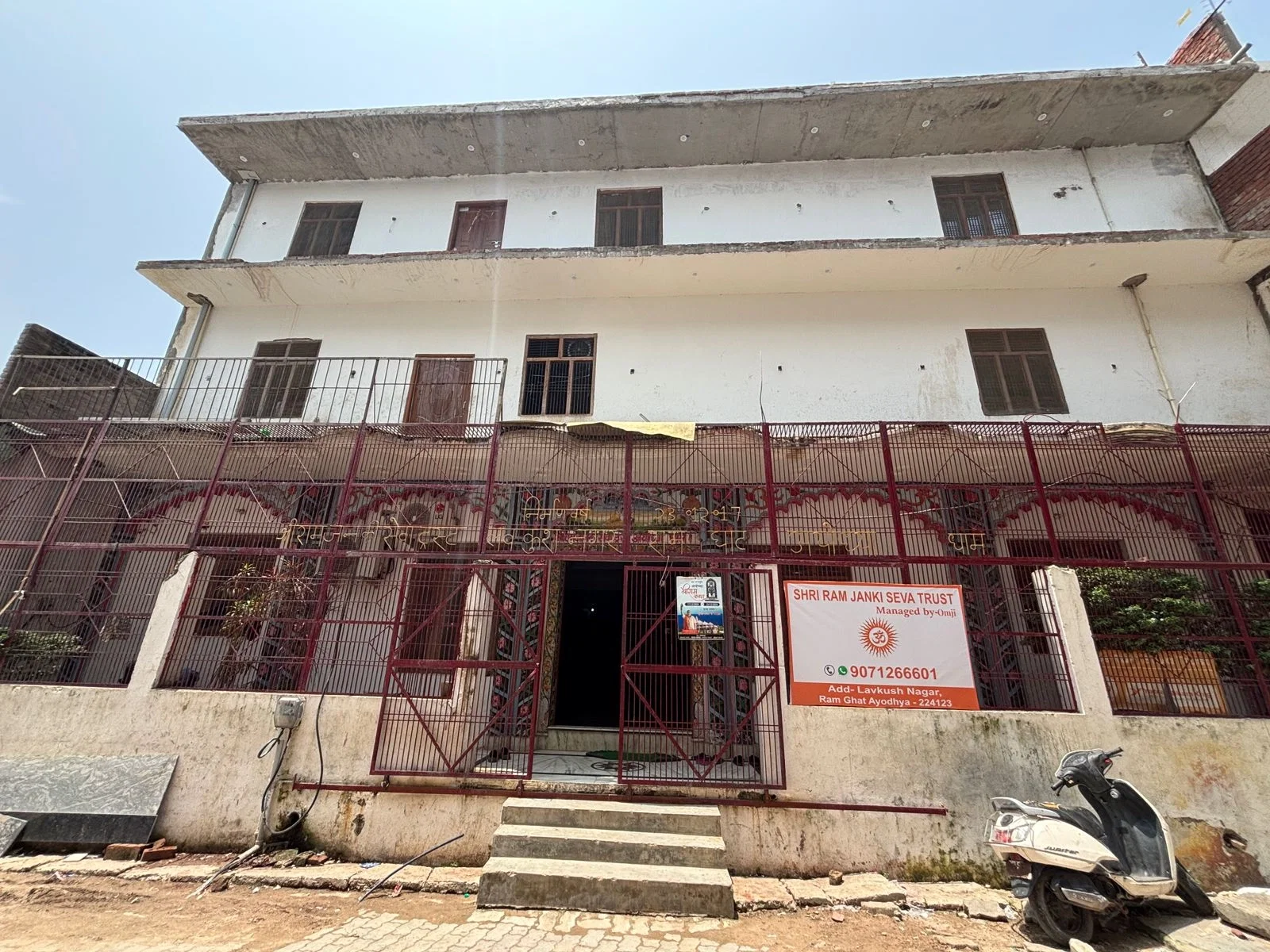
Shri Ram Janki Sewa Trust (Ayodhya)
Distance: 1.7 km Distance From Shri Ram Janmabhoomi Temple
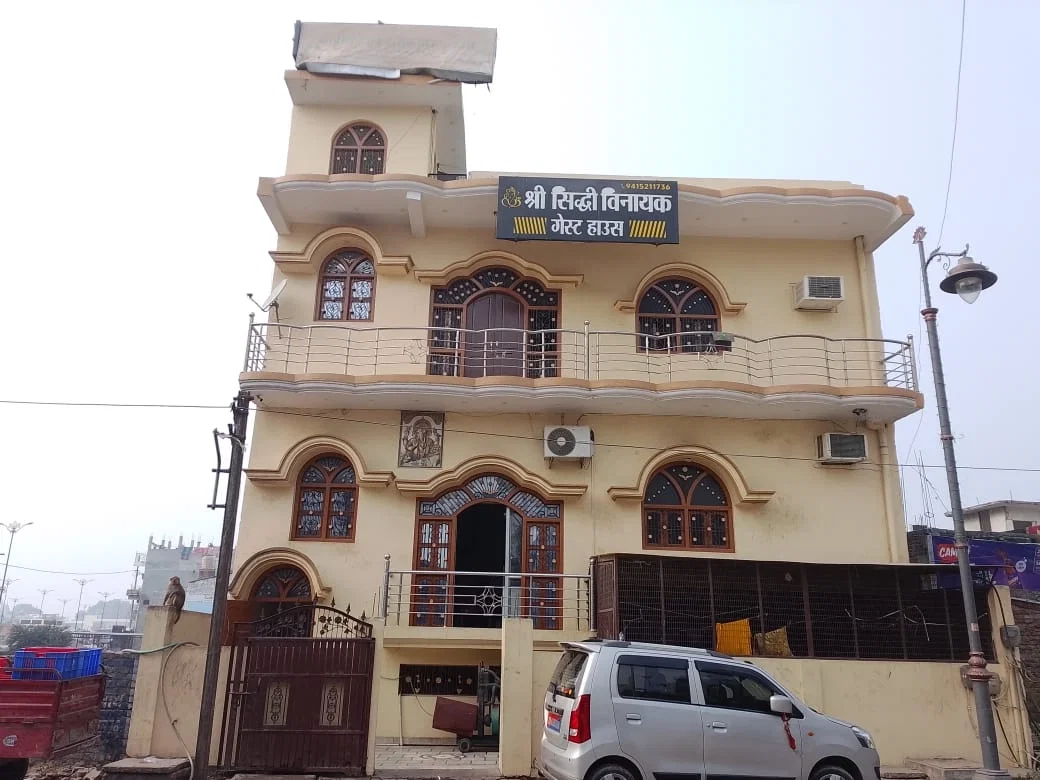
Shri Siddhi Vinayak Guest House (Ayodhya)
Distance: Near temple
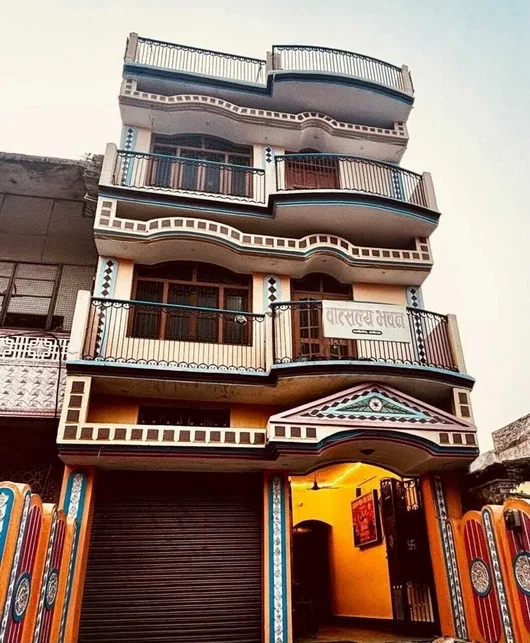
Vatsalya Bhawan (Ayodhya)
Distance: Distance from Shri Ram Temple 500 Meters
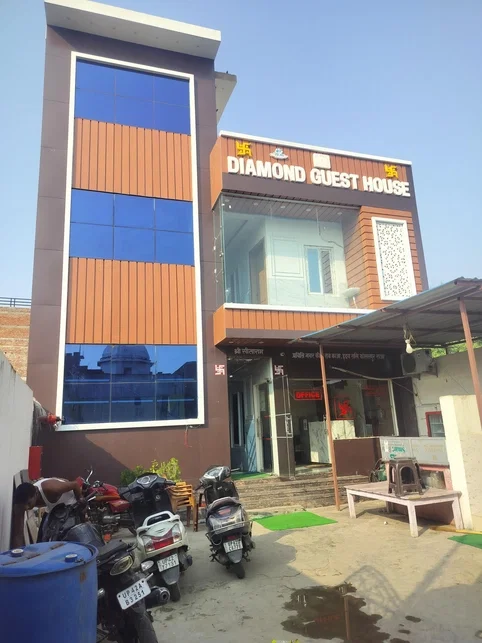
Diamond Guest House (Ayodhya)
Distance: Distance From Shree Ramjanmbhumi Temple 2.1 km