Planning Holi in Braj? 40-Day Holi Khel Rasiya in Vrindavan & Nathdwara with Stay Guide
Admin ⦁ 23 January 2026 ⦁ 8 min read
Introduction
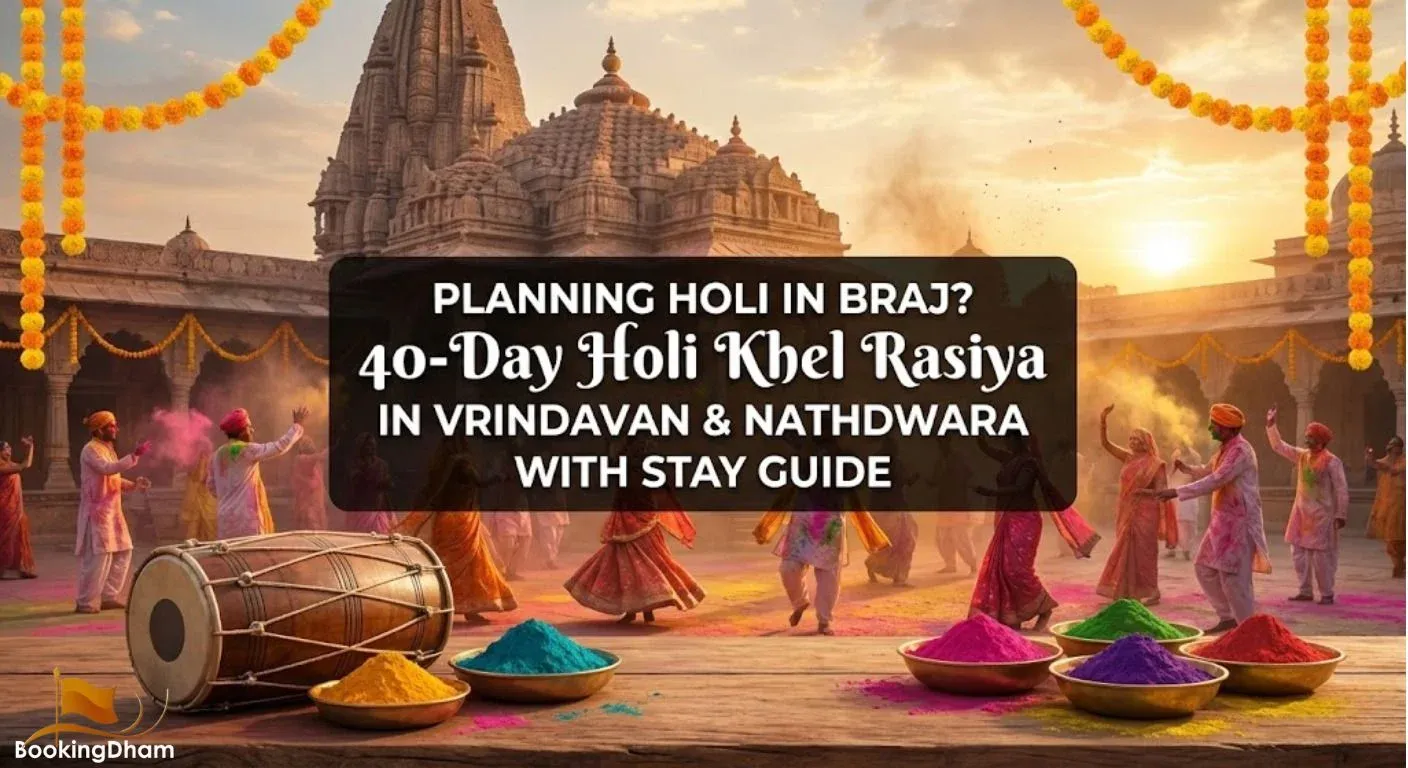
Holi in Braj is not just a one-day festival - it is a 40-day-long spiritual and cultural celebration that reflects the eternal joy, love, and devotion associated with Lord Krishna’s divine leelas. Unlike the rest of India, where Holi is celebrated for a day or two, the Braj region - Vrindavan, Mathura, Barsana, and Nandgaon - comes alive for over a month with colors, bhajans, and temple rituals known as Holi Khel or Rasiya.
The celebrations begin on Basant Panchami on 23 January 2026, marking the arrival of spring and symbolizing new beginnings. From this day onwards, temples resonate with traditional Rasiya singing, devotees celebrate Phoolon ki Holi, and natural gulal is gently offered as part of daily seva and darshan. Each passing day carries a distinct spiritual mood, gradually transforming Holi from a festival into a deeply immersive devotional journey.
This extended Holi period continues through Holi on 4 March 2026, with many regions and Braj-specific festivities culminating around Rang Panchami on 8 March 2026. This sacred 40-day Holi tradition is not limited to Braj alone. In Nathdwara, Rajasthan, the same extended Holi Khel is observed at the Shrinathji Temple in accordance with the Pushtimarg tradition. Here, Holi unfolds through soulful bhajans and kirtans, white-clad deity adornments, and the restrained offering of gulal - creating a serene yet powerful spiritual atmosphere. As thousands of pilgrims arrive each year to witness these celebrations, planning accommodation becomes essential. Whether you wish to book a hotel in Vrindavan near Prem Mandir or book a dharamshala in Nathdwara close to Shrinathji Temple, this guide helps you plan your stay with ease. With BookingDham, you can find verified, budget-friendly accommodations that keep you close to the divine festivities while ensuring comfort and convenience.
Understanding the 40-Day Holi Khel Rasiya Festival
What is Khel Rasiya?
Khel Rasiya refers to traditional folk songs, music, and performances that narrate the Holi leelas of Radha and Krishna. Sung in the local Braj language, these melodies are performed in temples, courtyards, and Pushtimarg havelis, creating an atmosphere filled with emotion and devotion. Rasiya is more than entertainment-it is a form of bhakti, allowing devotees to experience Holi as a sacred celebration rather than just a festival of colors.
Historical & Cultural Background
The tradition of celebrating Holi for 40 continuous days finds its roots in the divine childhood pastimes of Lord Krishna in Braj Bhumi. Holi in this region represents love, friendship (sakha bhav), joy, and divine play (leela) shared between Krishna, Radha, and the gopis. Over centuries, this evolved into a prolonged spiritual celebration observed across Vrindavan, Mathura, Barsana, and Nandgaon, where temples and local communities relive these leelas through music, rituals, and color play.
In Nathdwara, Rajasthan, the same tradition continues under the Pushtimarg sect, where Lord Krishna is worshipped as Shrinathji. Here, Holi focuses on inner devotion, bhav, and seva, with the deity adorned in special shringar, devotees participating in bhajans and kirtans, and gentle gulal offered as an expression of love. This makes Nathdwara’s Holi deeply personal and spiritually uplifting, complementing the vibrant celebrations of Braj.
Key Phases of the 40-Day Holi Celebration
- Basant Panchami marks the official beginning of Holi Khel. Temple flags are hoisted, and the first notes of Rasiya songs fill the air.
- Phoolon ki Holi – Devotees shower flower petals instead of colors, symbolizing purity, devotion, and divine love.
- Lathmar Holi – Famous in Barsana and Nandgaon, recreating playful banter between Radha and Krishna’s companions.
- Main Holi (Dhulandi) – Grand celebration with natural gulal, bhajans, and chanting in temples and streets.
- Rang Panchami – Spiritual conclusion in some regions, gently ending the colorful journey.
How Holi Is Played with Thakorji (Rituals & Traditions)
The sacred celebration of Khel Rasiya Holi with Thakorji begins from Basant Panchami, marking the start of divine joy and colors in the Pushtimarg tradition. From this auspicious day, the mood of Holi slowly unfolds in the seva of Shrinathji and continues through various loving rituals.
- White Attire (Safed Vastra): Thakorji is dressed in simple white clothing during these days, so that the colors thrown by devotees on him are clearly visible.
- Covering the Feet: A unique ritual occurs where the lotus feet of Shrinathji are covered during the Khel to enable a "Sakha-Bhav" (friendship) rather than "Das-Bhav" (servant) relationship.
- The "Khel" (Playing with Colors): During the Rajbhog Darshan, the temple priests (Mukhiyaji) play Holi with the Lord. They apply natural and non-chemical gulal, and colors to the idol, creating intricate patterns, including polka dots, on his white clothing.
- Flower Holi (Phoolon Ki Holi): Before the color play, "Phoolon ki Holi" takes place, where petals are showered on the idol.
- Prasad Ritual (12 Noon):
One of the most defining moments of Khel Rasiya Holi occurs at between 10:30 to 11:30, when pure, seasonal Jowar fagva (dhani) bhog is first offered to Thakorji. This satvik bhog is presented with full sanctity, and only after the Lord accepts it does it transform into prasad for devotees.
The divine celebration resonates with the spirit of Braj through Rasiyas, often echoing lines like:
“Aaj Braj mein Holi re Rasiya, rang barse Shyam ke angna…”
“Kanha sang khelo Holi, abeer gulal udaaye…”
Thus, from Basant Panchami onwards, Khel Rasiya Holi unfolds as a journey of love, friendship, color, and devotion - where Thakorji and bhakts rejoice together in divine play.
- Jal Khel: For the first fifteen days, Holi is celebrated with abir, gulal, and fragrant chandan, lovingly offered to Thakorji. After this period, the celebration deepens into Holi Khel with pichkari. Mukhiyaji first plays Holi with Thakorji, and then abir and gulal are joyfully showered upon all Vaishnavs, who receive it with devotion as divine prasad, filling the atmosphere with sakha-bhav, joy, and grace.

Holi Celebrations in Vrindavan
Vrindavan becomes the heart of Braj Holi during these 40 days.
Major Holi Events in Vrindavan
- Basant Panchami – Devotional songs at Banke Bihari Temple
- Phoolon ki Holi – Flower Holi at major temples
- Lathmar Holi – Must-see event in Barsana
- Main Holi – Colors, bhajans, and devotion across the town
Must-Visit: Prem Mandir, Vrindavan
Prem Mandir, Vrindavan, is one of the most iconic and peaceful places to witness the spiritual side of Holi. Dedicated to Radha Krishna, this white marble temple reflects Holi Khel Rasiya through devotion, music, and divine atmosphere.
- During Holi, the temple is decorated with flowers, colorful lights, and devotional bhajans.
- Evening aarti and musical fountain show are highlights of the festive season.
- Pilgrims often book a hotel in Vrindavan near Prem Mandir for easy access to early morning and evening darshans.
Travel Tips for people who want to visit Prem Mandir
- Reach early for peaceful darshan
- Wear simple, comfortable clothes
- Keep personal belongings minimal
Holi Celebrations in Nathdwara
In Nathdwara, Holi is celebrated with grace and devotion at the Shrinathji Temple.
Festival Highlights
- 40-day Holi Khel starting from Basant Panchami
- Daily gulal seva and bhajan-kirtan
- Shrinathji adorned in white attire to highlight colors
- Grand Dolotsav and Holi darshan
Shrinathji Temple
Shrinathji Temple is the spiritual heart of Nathdwara and a major pilgrimage site during Holi. Unlike street Holi celebrations, Nathdwara’s Holi focuses on bhakti, seva, and spiritual joy.
- Tips for Devotees:
- Follow the temple dress code and decorum
- Photography is prohibited inside the sanctum
- Plan Darshan in advance during peak days
- Participate in evening bhajans and aarti
- Stay Recommendation: Devotees can book dharamshala in Nathdwara close to the temple via BookingDham.org for a peaceful and convenient stay.
Holi Khel Rasiya 2026: Best Months to Visit & Travel Tips
- The ideal time to experience the 40-day Holi Khel Rasiya in Braj is from February to March, when the weather is pleasant, and the festive atmosphere is at its peak. This period makes your spiritual journey through Vrindavan, Mathura, Barsana, and Nathdwara truly memorable.
How to Reach to Vrindavan:
- By Train: Mathura Junction is well-connected to Delhi and major cities.
- By Road: Vrindavan is approximately a 3-hour drive from Delhi, making it convenient for road trips.
How to Reach Nathdwara:
- Nearest Airport: Udaipur Airport, located about 45 km from Nathdwara.
- By Road: Nathdwara is well connected via buses, taxis, and private cars, offering easy access for pilgrims.
Planning your travel ahead ensures a smooth Holi experience, giving you more time to enjoy the colorful celebrations and spiritual rituals.
Day-by-Day Holi Guide: Vrindavan to Nathdwara
Days 1–4: Vrindavan & Braj Region
- Explore Vrindavan, Mathura, Prem Mandir, Banke Bihari Temple
- Optional: Barsana & Nandgaon for Lathmar Holi
Days 5–7: Nathdwara
- Experience Shrinathji Temple’s devotional Holi, daily bhajans, and Dolotsav
- Stay near temple for early morning and evening darshan
Where to Stay During Holi in Braj
Book Your Stay in Advance:
- Holi is peak season; hotels and dharamshalas fill up fast
- Early booking ensures temple proximity, comfort, and stress-free stay
Stay Options in Vrindavan
- Budget Hotels & Ashrams: Near Prem Mandir and Raman Reti Road, clean and convenient
- Booking Tip: Book hotel in Vrindavan online via BookingDham for verified properties and best prices
Stay Options in Nathdwara
- Budget Dharamshalas: Close to Shrinathji Temple, spiritual ambiance, basic amenities
- Booking Tip: Book dharamshala in Nathdwara via BookingDham for hassle-free reservations
Tips for a Safe Holi Celebration
- Use organic colors only
- Stay hydrated and protect from sun
- Respect temple rules and customs
- Avoid peak crowds for smooth darshan
- Support local artisans by buying eco-friendly products
Conclusion
The 40-day Holi Khel Rasiya in Vrindavan and Nathdwara is a unique blend of devotion, culture, and celebration. Pilgrims experience Radha-Krishna leelas, traditional Rasiya songs, Phoolon ki Holi, and spiritual temple rituals.
Plan your Holi pilgrimage now! Whether you want to book hotel in Vrindavan or book dharamshala in Nathdwara, BookingDham offers verified, affordable, and temple-friendly accommodations.
Holi in Braj is more than colors-it’s an immersive spiritual journey into Krishna’s eternal leela, creating memories that last a lifetime.
FAQs
1. What is Holi Khel Rasiya in Braj?
Holi Khel Rasiya is a 40-day spiritual celebration of Holi in Braj, including Vrindavan, Mathura, Barsana, and Nandgaon. It celebrates Krishna-Radha leelas through Rasiya songs, Phoolon ki Holi, and devotional rituals.
2. When does Holi Khel Rasiya start and end?
The festival begins on Basant Panchami (Jan 23, 2026) and continues until Holi/Dhulandi, spanning 40 days of devotional celebrations.
3. How is Holi celebrated in Nathdwara?
In Nathdwara, Holi is celebrated at Shrinathji Temple with daily bhajans, kirtans, Gulal seva, and Dolotsav rituals, following the Pushtimarg tradition. The deity is adorned in white to highlight the colors.
4. Where can I book accommodations near Holi celebrations?
You can book hotel in Vrindavan near Prem Mandir or book dharamshala in Nathdwara close to Shrinathji Temple via BookingDham.org for verified, budget-friendly, and temple-friendly stays.
5. What is the best time to visit Vrindavan and Nathdwara for Holi?
February to March is the ideal time, as the weather is pleasant and the 40-day festival is in full swing.
Nearby Accommodation
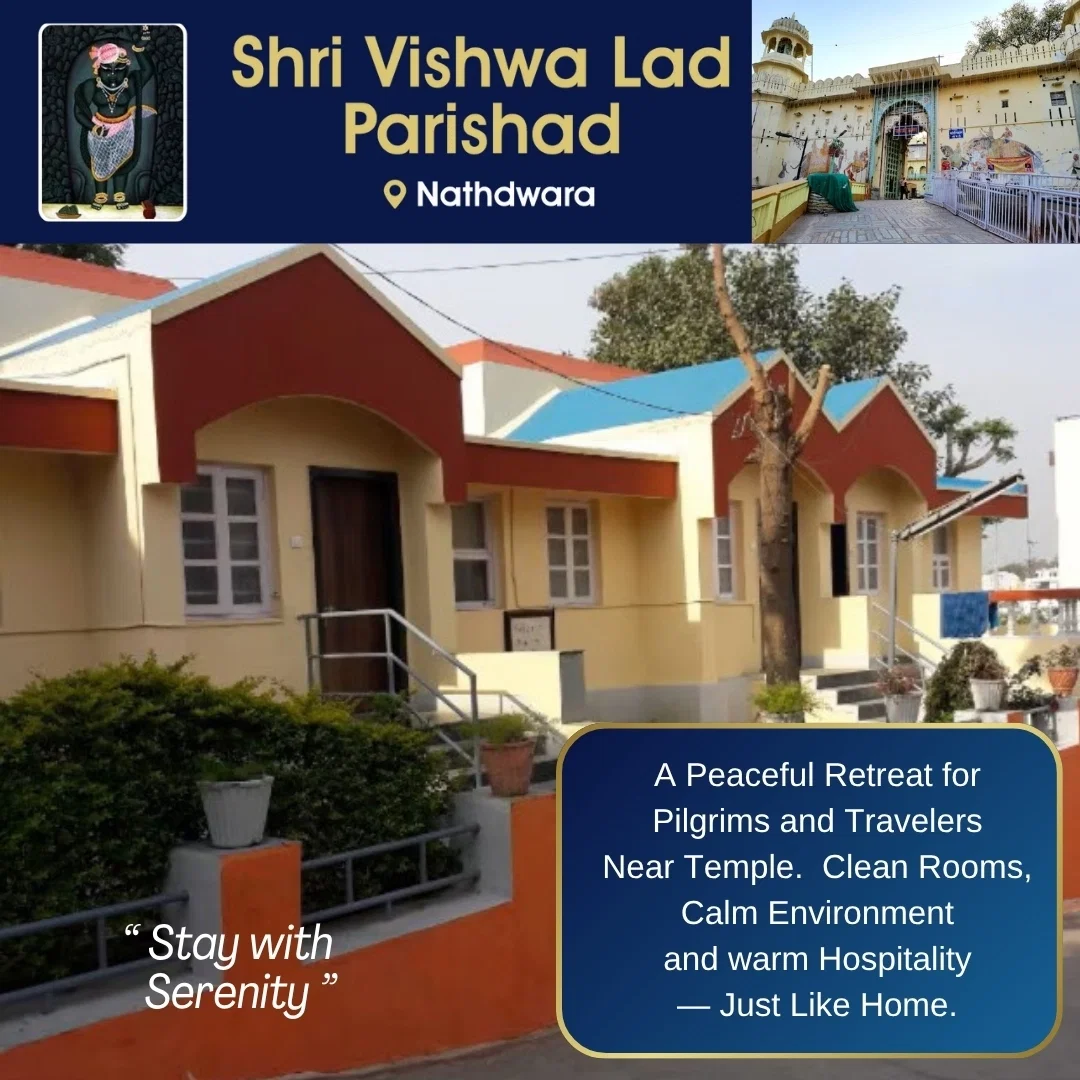
Vishwa Lad Parishad (Nathdwara)
Distance: ~2km from Shrinathji Temple
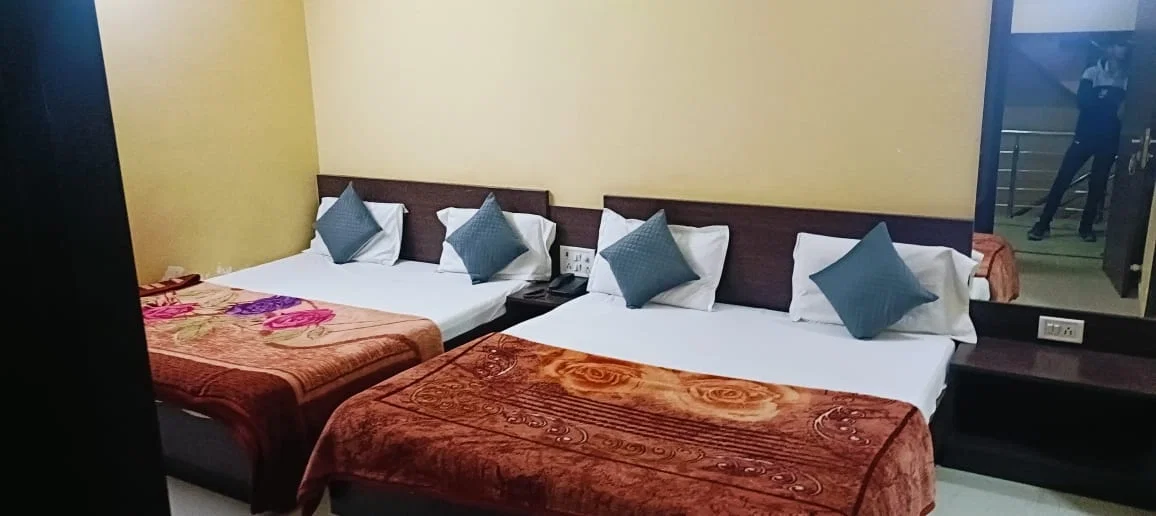
Gopi Vallabh (Nathdwara)
Distance: ~ 1 km form Shrinathji Temple
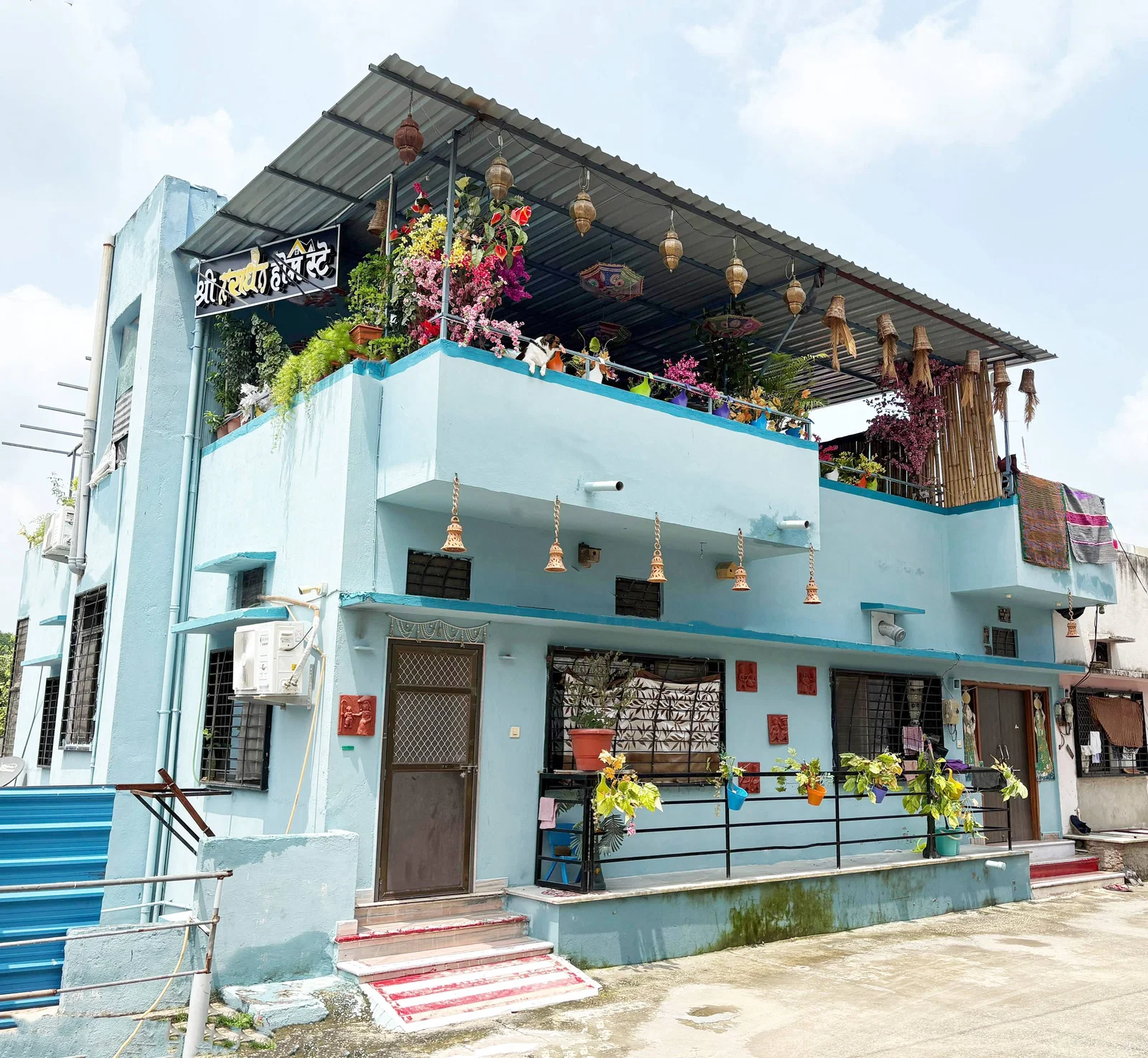
Shree Radhe Home Stay (Nathdwara)
Distance: ~ 500 meter from Shrinathji Temple
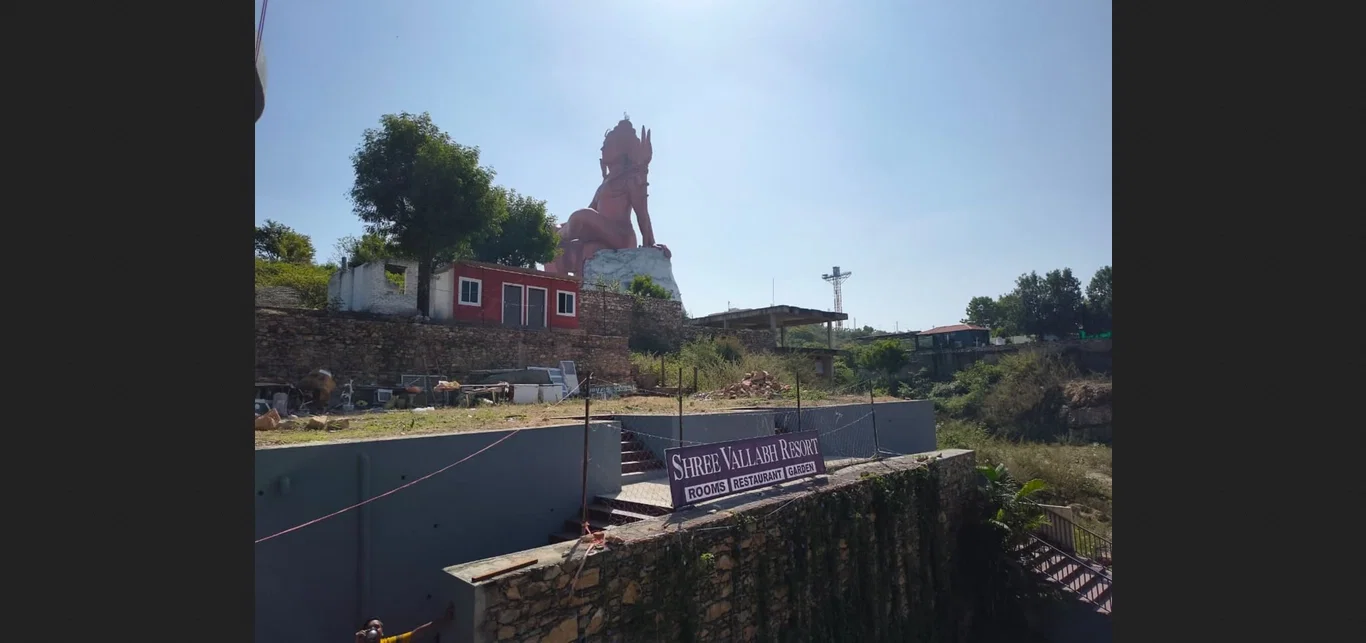
Shree Vallabh Resort (Nathdwara)
Distance: 400 meter from Shrinathji temple
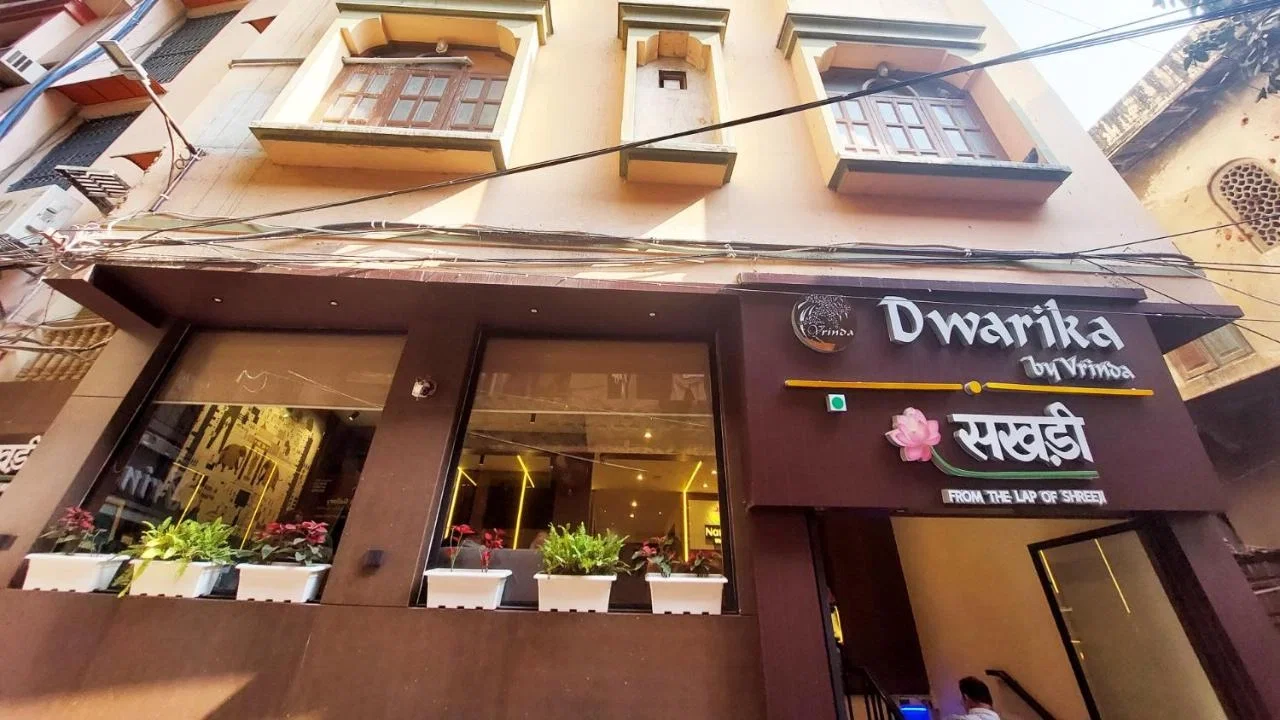
Hotel Dwarika by Vrinda (Nathdwara)
Distance: 700 meter from temple
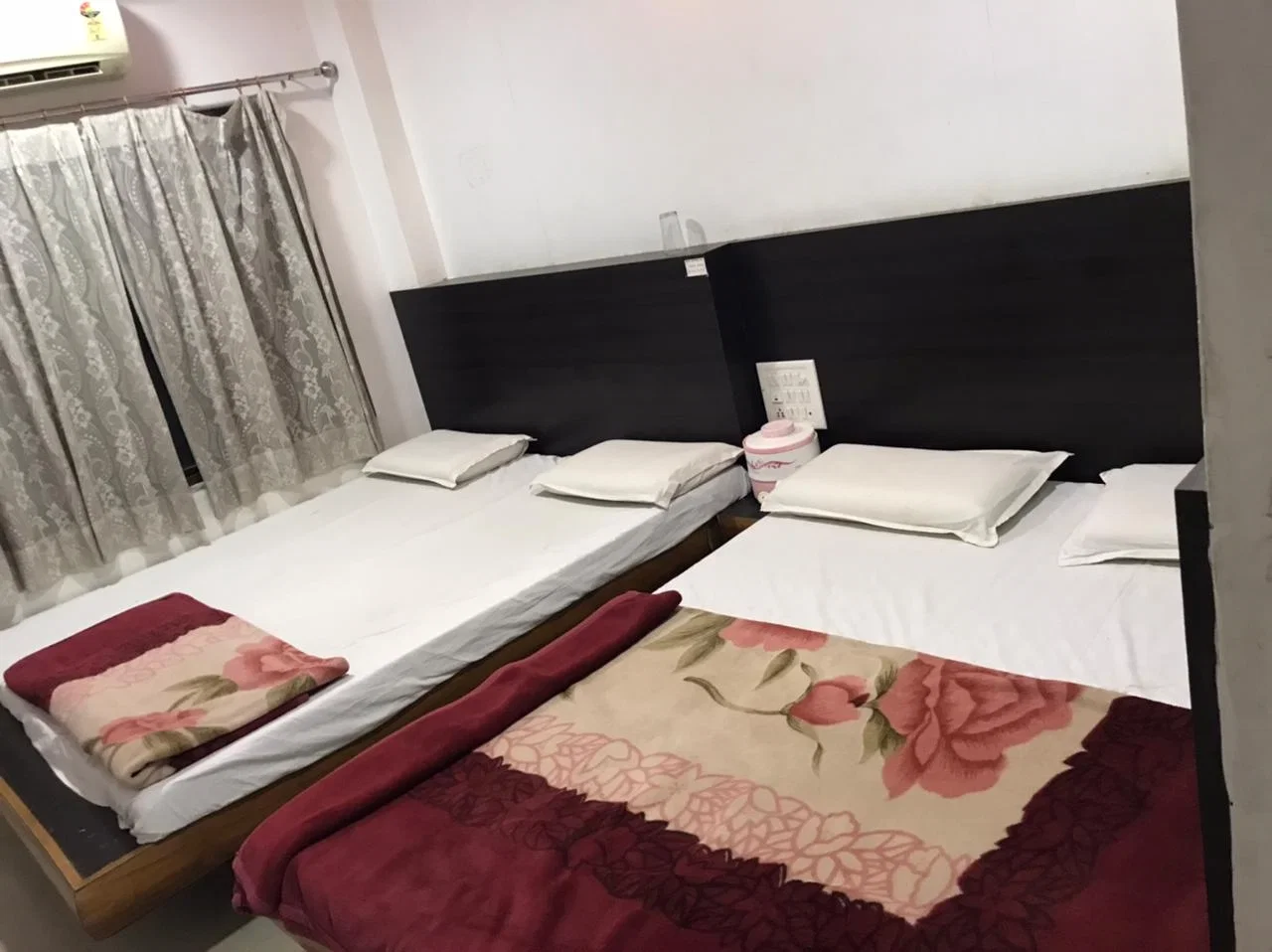
Hotel Hari Darshan (Nathdwara)
Distance: Near temple